Artificial Intelligence (AI) is no longer confined to laboratories and tech companies. Today, it is transforming industries across the globe, including fields that were once considered uniquely human. From writing and music composition to graphic design, filmmaking, and digital art, AI is reshaping the way creative work is produced, distributed, and consumed.
While some view AI as a powerful tool that enhances creativity, others worry about its impact on jobs, originality, and artistic expression. The reality lies somewhere in between. AI is not replacing creativity itself, but it is changing how creative professionals work and what the future of creative industries may look like.
The Rise of AI in Creative Work
Over the past few years, AI technology has advanced at an extraordinary pace. Modern AI systems can generate text, create images, compose music, edit videos, and even design marketing campaigns in a matter of seconds.
Tasks that once required hours of manual effort can now be completed much faster with AI assistance. As a result, creative industries are increasingly adopting these tools to improve efficiency and explore new forms of expression.
The growth of AI has opened opportunities for both professionals and beginners, making creative tools more accessible than ever before.
How AI Is Transforming Content Creation
One of the most noticeable impacts of AI can be seen in content creation.
Writing and Publishing
AI-powered writing tools can help generate:
- Blog articles
- Social media posts
- Marketing copy
- Product descriptions
- Story ideas
Writers often use AI as a brainstorming partner, helping them overcome creative blocks and improve productivity.
However, human writers remain essential for adding emotion, context, personality, and originality that AI alone cannot fully replicate.
Graphic Design and Digital Art
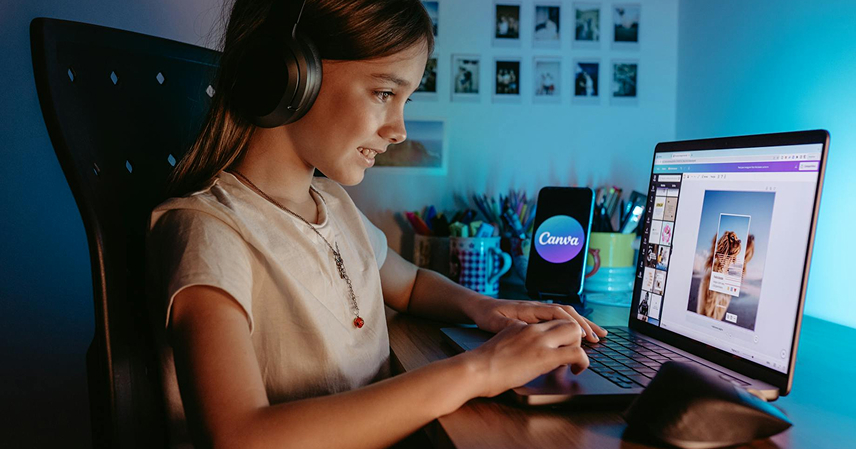
AI image-generation tools have revolutionized digital art and design.
Designers can now:
- Generate concept art quickly
- Create visual mockups
- Experiment with styles
- Speed up design workflows
Instead of replacing artists, many professionals use AI as a creative assistant that helps bring ideas to life more efficiently.
The Changing World of Music
Music production has also been influenced by AI.
Modern AI tools can:
- Compose melodies
- Generate background music
- Assist with mixing and mastering
- Suggest harmonies and arrangements
Musicians can use these technologies to accelerate the creative process and explore new sounds.
At the same time, questions have emerged about authorship, originality, and whether AI-generated music should receive the same recognition as human-created compositions.
AI in Film and Video Production
The film industry is increasingly embracing AI-driven tools.
These technologies can help with:
- Video editing
- Visual effects
- Script analysis
- Animation
- Voice generation
AI can significantly reduce production costs and save time on repetitive tasks. Independent creators now have access to capabilities that were once limited to major studios.
Despite these advances, storytelling, directing, and emotional performance continue to rely heavily on human creativity and experience.
New Opportunities for Creative Professionals
Rather than eliminating creative jobs entirely, AI is creating new opportunities.
Creative professionals are learning to:
- Work alongside AI tools
- Develop AI-assisted workflows
- Focus on higher-level creative decisions
- Explore innovative artistic techniques
Many industries now value individuals who understand both creativity and technology, creating demand for new skills and career paths.
The Challenges and Concerns
While AI offers many benefits, it also raises important concerns.
Copyright and Ownership
One of the biggest debates involves intellectual property.
Questions include:
- Who owns AI-generated content?
- Should artists be compensated when AI learns from their work?
- How should copyright laws adapt?
Governments and legal experts continue to explore these complex issues.
Job Displacement
Some creative professionals worry that AI may reduce demand for certain types of work.
Tasks involving repetitive design, basic content generation, or routine editing may become increasingly automated.
However, many experts believe that human creativity, emotional intelligence, and originality will remain highly valuable.
Authenticity and Originality
As AI-generated content becomes more common, audiences may place greater value on authentic human experiences and personal artistic expression.
The challenge will be finding the right balance between technological assistance and genuine creativity.
The Future of Human Creativity
AI is best viewed as a tool rather than a replacement for human imagination.
Throughout history, new technologies have transformed creative industries:
- Photography changed visual art.
- Digital editing transformed filmmaking.
- Computers revolutionized graphic design.
AI represents the next step in this evolution.
The most successful creators of the future may not be those who compete with AI, but those who learn how to collaborate with it effectively.
A New Creative Partnership
The relationship between humans and AI is likely to become increasingly collaborative.
AI can handle repetitive tasks, process large amounts of data, and generate countless creative possibilities. Humans bring emotion, cultural understanding, personal experience, and artistic vision.
Together, they can produce work that neither could create alone.
This partnership has the potential to unlock entirely new forms of storytelling, design, music, and entertainment.
Final Thoughts
Artificial Intelligence is transforming creative industries in ways that were difficult to imagine just a decade ago. From writing and design to music and filmmaking, AI is becoming a valuable tool that helps creators work faster, experiment more freely, and reach wider audiences.
At the same time, important questions about ethics, copyright, employment, and originality remain unresolved.
The future of creativity will not be defined by humans versus machines. Instead, it will likely be shaped by how effectively humans use AI to enhance their ideas, express their imagination, and create meaningful experiences.
As technology continues to evolve, one thing remains certain: creativity itself is still deeply human, and AI is becoming one of its newest tools.