
After years of tension, tariffs, and tit-for-tat policies, there might finally be a glimmer of cooperation between the world’s two largest economies.
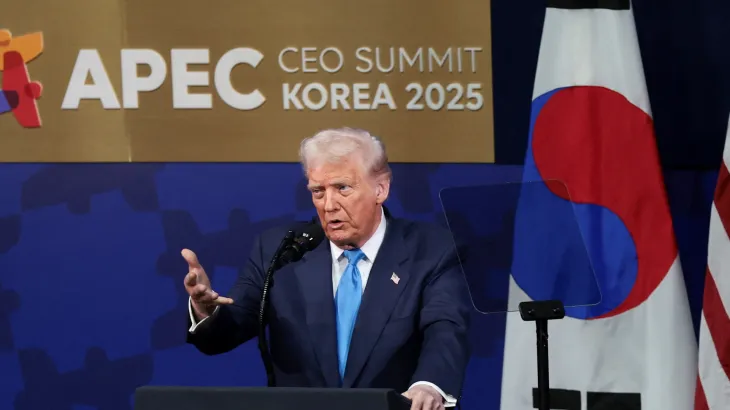
At the Asia-Pacific Economic Cooperation (APEC) summit in South Korea, former U.S. President Donald Trump struck an unexpectedly positive tone about reaching a new trade deal with Chinese President Xi Jinping.
“I think we’ll have a very good outcome,” Trump told reporters — a line that immediately sparked curiosity and cautious optimism across global markets.
A High-Stakes Reunion After Years of Tension
This meeting marks the first face-to-face encounter between Trump and Xi since 2019 — a long pause in a relationship defined by escalating tariffs, political friction, and the ongoing trade war.
In recent years, U.S.–China relations have soured over multiple issues:
Rising tariffs on goods from both sides
Tough rhetoric surrounding technology and manufacturing
U.S. concerns about China’s role in the global fentanyl trade
Trump had even suggested imposing higher tariffs as part of his response to the fentanyl crisis. But now, his tone suggests a possible willingness to reduce trade barriers if Beijing shows genuine cooperation.
What Could Be on the Table?
While both sides remain cautious, the potential areas of negotiation include:
Tariff adjustments: Rolling back certain tariffs to encourage trade growth
Agricultural exports: Expanding China’s imports of U.S. products like soybeans and corn
Intellectual property protections: Addressing one of Washington’s biggest long-term complaints about Chinese trade practices
If progress is made, even symbolically, this could stabilize global trade and boost investor confidence.
Markets across Asia have already reacted positively to the news, reflecting hopes for a more predictable economic environment.
A Possible Turning Point — or Just Another Stalemate?
Experts caution that one optimistic statement doesn’t guarantee progress.
While both nations may be open to limited cooperation, deep-rooted disagreements remain over technology, defense, and global influence.
Analysts suggest that any short-term “deal” would likely be more symbolic than structural — a diplomatic gesture aimed at cooling tensions rather than solving them.
Still, even a temporary thaw could calm global markets and reopen stalled trade channels.
Why This Meeting Matters
The world is watching this APEC meeting closely.
For the United States, a renewed trade agreement could help strengthen exports and reduce inflationary pressures.
For China, it’s a chance to stabilize its slowing economy and project cooperation amid rising geopolitical challenges.
The outcome could influence not only the future of U.S.–China relations, but also the direction of the global economy — from commodity prices to manufacturing supply chains.
Whether this becomes a true turning point or just another chapter in a long story of rivalry will depend on what happens behind closed doors — and what both leaders are really willing to give up.