
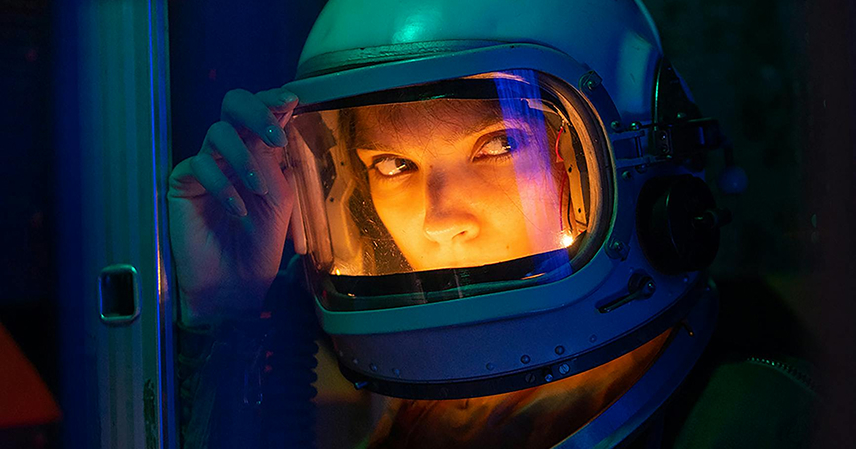
For centuries, humans have looked toward the stars with curiosity and wonder. What was once the realm of science fiction has become a reality, with spacecraft traveling beyond our solar system, astronauts living aboard space stations, and ambitious plans to send humans to Mars. Yet despite remarkable technological progress, space exploration remains one of humanity’s most difficult and expensive endeavors.
The 21st century has ushered in a new era of space exploration, driven not only by governments but also by private companies and international partnerships. However, this new age of discovery comes with significant challenges that must be overcome before humanity can truly become a spacefaring civilization.
The High Cost of Space Missions
One of the biggest obstacles to space exploration is cost. Designing, building, and launching spacecraft requires enormous financial investment.
A single space mission can cost millions or even billions of dollars. These expenses include:
- Research and development
- Advanced engineering
- Launch operations
- Mission control systems
- Astronaut training
- Long-term maintenance
Although reusable rocket technology has helped reduce launch costs, deep-space exploration remains financially demanding. Governments and private companies must carefully balance scientific goals with budget constraints.
Keeping Astronauts Safe
Space is one of the most hostile environments known to humanity. Astronauts face numerous dangers that are rarely encountered on Earth.
Some of the major risks include:
Radiation Exposure
Outside Earth’s protective atmosphere and magnetic field, astronauts are exposed to high levels of cosmic radiation.
Long-term exposure may increase the risk of:
- Cancer
- Heart disease
- Neurological disorders
- Cellular damage
Protecting astronauts from radiation is one of the most critical challenges for future missions to the Moon and Mars.
Microgravity Effects
Living in microgravity affects the human body in several ways.
Extended stays in space can cause:
- Muscle loss
- Bone density reduction
- Vision problems
- Changes in blood circulation
Scientists continue to study how the human body adapts to long-duration missions and how these effects can be minimized.
The Challenge of Deep-Space Travel
Traveling beyond Earth orbit presents unique difficulties.
For example, a mission to Mars could take several months each way. During this time, astronauts would face:
- Isolation
- Limited supplies
- Communication delays
- Medical emergencies without immediate support
Unlike missions in low Earth orbit, deep-space crews cannot quickly return home if something goes wrong.
Developing reliable life-support systems and emergency response plans remains a major priority.
Space Debris and Orbital Congestion
As more satellites and spacecraft are launched into orbit, space debris has become a growing concern.
Thousands of inactive satellites, rocket fragments, and other objects now orbit Earth at extremely high speeds.
Even small pieces of debris can cause serious damage to:
- Satellites
- Space stations
- Future spacecraft
Scientists and engineers are exploring methods to track, manage, and remove space debris before it becomes a larger threat to future missions.
The Search for Sustainable Resources
Future space exploration will depend heavily on the ability to use resources found beyond Earth.
Transporting everything from Earth is expensive and impractical for long-term missions.
Researchers are investigating ways to:
- Extract water from the Moon
- Produce oxygen from lunar soil
- Generate fuel using local materials
- Grow food in space habitats
Developing these technologies will be essential for establishing permanent human presence on the Moon and eventually Mars.
Psychological Challenges in Space
Physical health is only part of the equation. Mental health is equally important during long-duration missions.
Astronauts often experience:
- Isolation from family and friends
- Confinement in small spaces
- Stress from high-risk environments
- Limited privacy
Future missions lasting months or years will require new strategies to maintain emotional well-being and team cohesion.
International Cooperation and Competition
Space exploration has historically been shaped by both cooperation and competition.
Today, many countries are investing heavily in space programs, including:
- The United States
- China
- India
- Japan
- European nations
While international collaboration can accelerate scientific progress, geopolitical tensions may create challenges in sharing technology, resources, and research.
Finding ways to cooperate while balancing national interests will be important for future exploration efforts.
The Role of Private Space Companies
The rise of private space companies has transformed the industry.
Companies are developing:
- Reusable rockets
- Commercial space stations
- Lunar landers
- Space tourism programs
Private investment has accelerated innovation and reduced some costs. However, it has also raised questions about regulation, safety standards, and the commercialization of space.
Governments and private organizations must work together to ensure responsible and sustainable exploration.
Preparing for Human Missions to Mars
Perhaps the most ambitious goal of modern space exploration is sending humans to Mars.
While the technology continues to advance, major challenges remain:
- Long travel times
- Radiation protection
- Food production
- Reliable life-support systems
- Safe landing and return capabilities
Successfully sending humans to Mars will require decades of research, testing, and international cooperation.
Why Space Exploration Still Matters
Despite the difficulties, space exploration continues to offer enormous benefits.
It drives innovation in:
- Medicine
- Communication technology
- Materials science
- Environmental monitoring
- Artificial intelligence
Space missions also expand scientific knowledge and inspire future generations to pursue careers in science, technology, engineering, and mathematics.
Most importantly, exploration satisfies humanity’s natural desire to understand the universe and our place within it.
Final Thoughts
The 21st century presents both extraordinary opportunities and significant challenges for space exploration. From protecting astronauts and managing space debris to developing sustainable technologies for deep-space travel, scientists and engineers face complex problems that require creativity and collaboration.
Yet history has repeatedly shown that human progress often comes from overcoming seemingly impossible obstacles. As technology advances and global cooperation grows, the dream of exploring distant worlds becomes increasingly achievable.
The journey into space is far from easy, but it remains one of humanity’s greatest adventures—one that may ultimately shape the future of our species for generations to come.