The Role of International Organizations in Crisis Management


Introduction
Natural disasters, armed conflicts, pandemics, financial collapses, and climate emergencies—21st-century crises are global by nature. No single country can effectively manage such challenges alone. This is where international organizations play a critical role.
From coordinating humanitarian aid to stabilizing economies and preventing conflicts, international organizations act as global first responders, mediators, and stabilizers. This blog explores how international organizations contribute to crisis management, the tools they use, real-world examples, and the challenges they face.
What Is Crisis Management at the International Level?
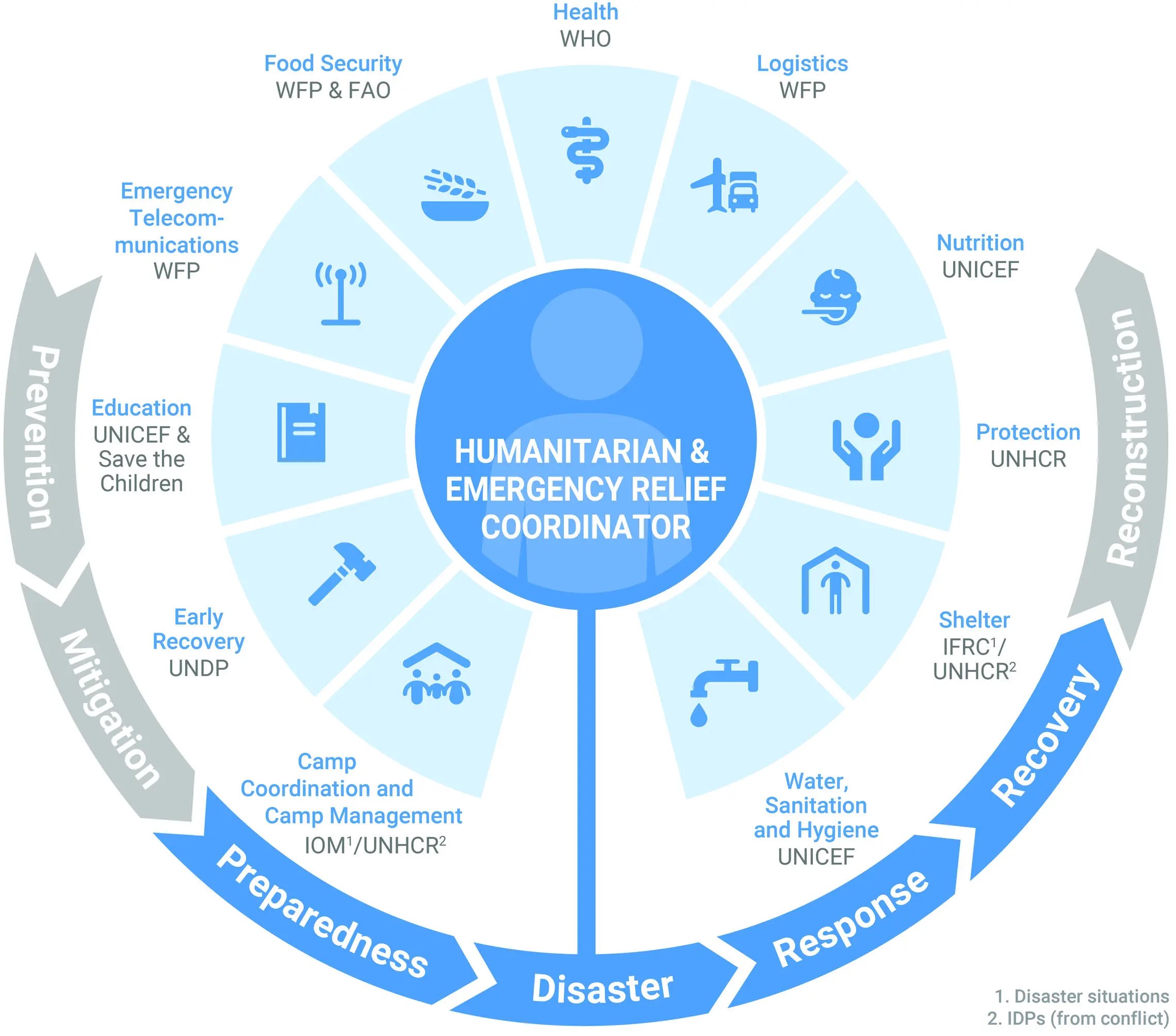
Crisis management refers to the prevention, preparedness, response, and recovery from large-scale emergencies that threaten lives, stability, and development across borders.
International crisis management typically involves:
Early warning and risk assessment
Emergency response and relief
Conflict mediation and peacekeeping
Economic stabilization and reconstruction
Long-term recovery and resilience building
Why Are International Organizations Essential in Crises?
1. Crises Cross Borders
Pandemics, climate disasters, refugee flows, and financial shocks do not respect national boundaries. International coordination becomes unavoidable.
2. Resource Pooling
International organizations combine funding, expertise, logistics, and manpower that many countries lack individually.
3. Neutrality and Legitimacy
Many organizations operate with perceived neutrality, allowing them to work in politically sensitive or conflict-affected regions.
Key International Organizations and Their Roles
1. United Nations (UN)
The UN is the most comprehensive actor in global crisis management.
Key roles:
Humanitarian coordination (through agencies like UNHCR, WFP, UNICEF)
Peacekeeping and conflict resolution
Post-crisis reconstruction and governance support
Example:
UN peacekeeping missions in conflict zones help maintain ceasefires, protect civilians, and support political transitions.
2. World Health Organization (WHO)
WHO leads global responses to health emergencies.
Key roles:
Disease surveillance and early warnings
Coordinating international medical response
Setting global health guidelines
Example:
During global pandemics, WHO coordinates vaccine distribution, research collaboration, and public health strategies.
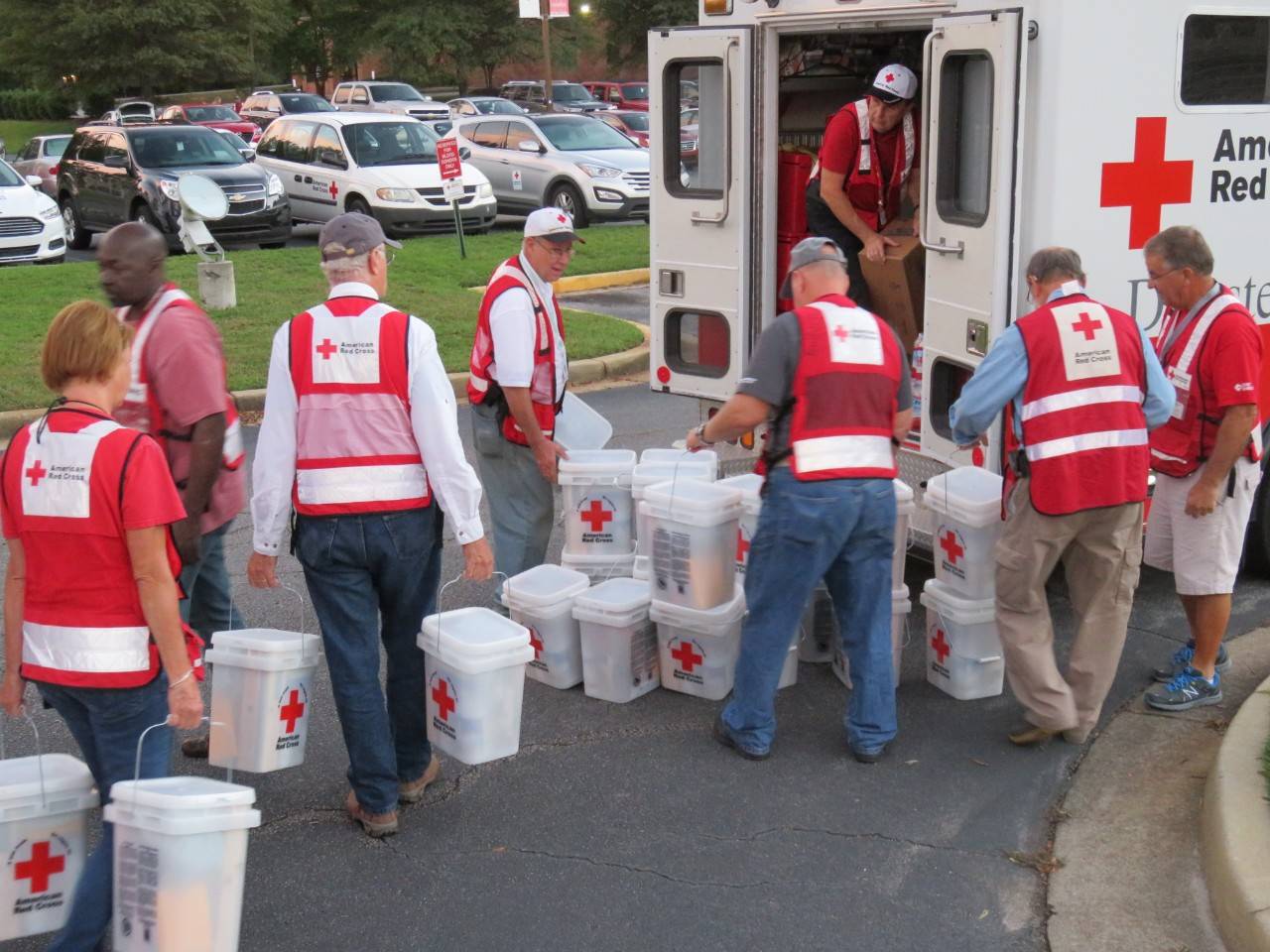
3. International Red Cross and Red Crescent Movement
This movement is central to humanitarian crisis response.
Key roles:
Emergency medical care
Disaster relief (food, shelter, water)
Protection of civilians and prisoners of war
Strength:
Its neutrality allows access to war zones where others cannot operate.
4. International Monetary Fund (IMF)
The IMF addresses financial and economic crises.
Key roles:
Emergency financial assistance
Stabilizing currencies and economies
Policy advice during economic shocks
Example:
Countries facing balance-of-payments crises receive IMF support to avoid economic collapse.
5. World Bank
The World Bank focuses on recovery and rebuilding after crises.
Key roles:
Funding infrastructure reconstruction
Poverty reduction programs
Long-term resilience building
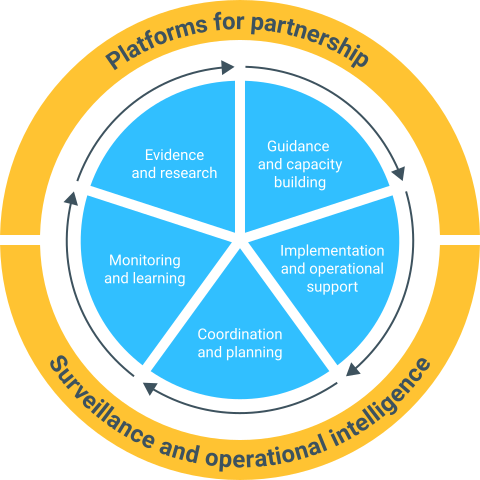
How International Organizations Manage Crises (Process)


Phase 1: Early Warning & Preparedness
Monitoring risks (climate, health, conflict)
Sharing intelligence and data
Capacity building in vulnerable regions
Phase 2: Emergency Response
Rapid deployment of aid and experts
Coordination with governments and NGOs
Mobilization of funds and logistics
Phase 3: Stabilization & Recovery
Restoring basic services
Supporting displaced populations
Rebuilding institutions and infrastructure
Phase 4: Long-Term Resilience
Policy reforms
Disaster-risk reduction
Sustainable development programs
Real-World Impact of International Organizations
Millions receive food, shelter, and medical care annually
Conflicts are de-escalated through diplomacy and peacekeeping
Economies recover faster with coordinated financial support
Global standards improve crisis preparedness worldwide
Challenges Faced by International Organizations
⚠️ Political Constraints
Member states’ interests can delay decisions or limit action.
⚠️ Funding Gaps
Humanitarian needs often exceed available resources.
⚠️ Sovereignty Issues
Some governments resist international involvement.
⚠️ Coordination Complexity
Multiple actors can lead to duplication or inefficiency if poorly managed.
The Future of Crisis Management
In a world shaped by:
Climate change
Global pandemics
Cyber threats
Complex conflicts
International organizations must evolve by:
Using AI and data analytics for early warning
Strengthening regional cooperation
Improving transparency and accountability
Empowering local communities
Conclusion
International organizations are pillars of global crisis management. While not perfect, they provide structure, coordination, and legitimacy in moments when chaos could otherwise prevail.
In an interconnected world, effective crisis management is no longer optional—it is collective responsibility. Strengthening international organizations means strengthening global stability, human security, and shared resilience.