Turkish dramas — or dizi — have long mastered the art of weaving sprawling emotional landscapes out of ordinary lives. They blend sweeping melodrama with intimate character struggles in a way few television markets can replicate.
Among the standout titles of 2022, Baba (Father) rose quickly to the top, not because of its wealth-driven plot twists, but because of its raw exploration of legacy, loyalty, and the painful, simmering conflicts hidden beneath the surface of a traditional Turkish family.
Anchored by the unmatched emotional gravity of Haluk Bilginer and the fierce vulnerability of Tolga Sarıtaş, Baba is not simply a drama — it’s an autopsy of power and patriarchal control, wrapped in the tragedy of a family that gains the world only to risk losing itself.
A Quiet Life Interrupted: When Fate Strikes Without Warning
The story opens in a modest neighborhood in Izmir, where the Saruhanli family lives a life governed by tradition, routine, and rigid hierarchy.
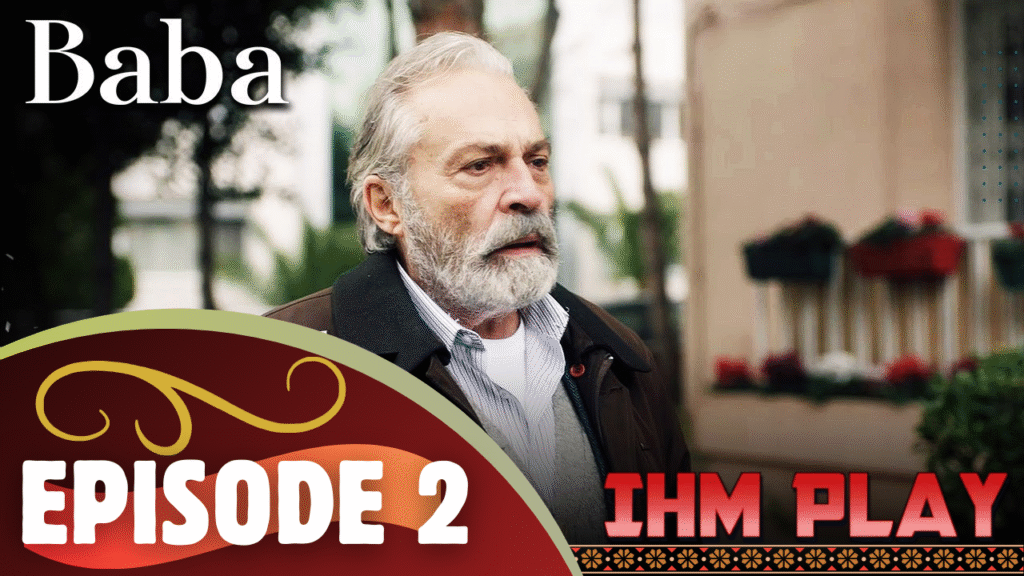
At the head of the household is Emin Saruhanli, played with towering presence by Bilginer — a patriarch built from stone, steeped in old-world values, and certain that his authority is both moral and absolute.
But in true dizi fashion, stability is a fragile illusion.
A sudden plane crash kills Emin’s estranged, wealthy brother, thrusting the Saruhanli family into unimaginable wealth. Overnight, they are relocated from their small home to the glittering — and treacherous — circles of Istanbul’s elite.
What begins as a classic “poor-to-rich” transformation quickly evolves into something far more profound:
What happens to a family’s soul when the ground beneath it shifts too quickly to find balance?
Wealth, in Baba, is less a blessing and more a magnifying glass — exposing every crack, tension, and hidden wound the family tried to bury.
Father and Son: An Unhealed Wound at the Center of the Story
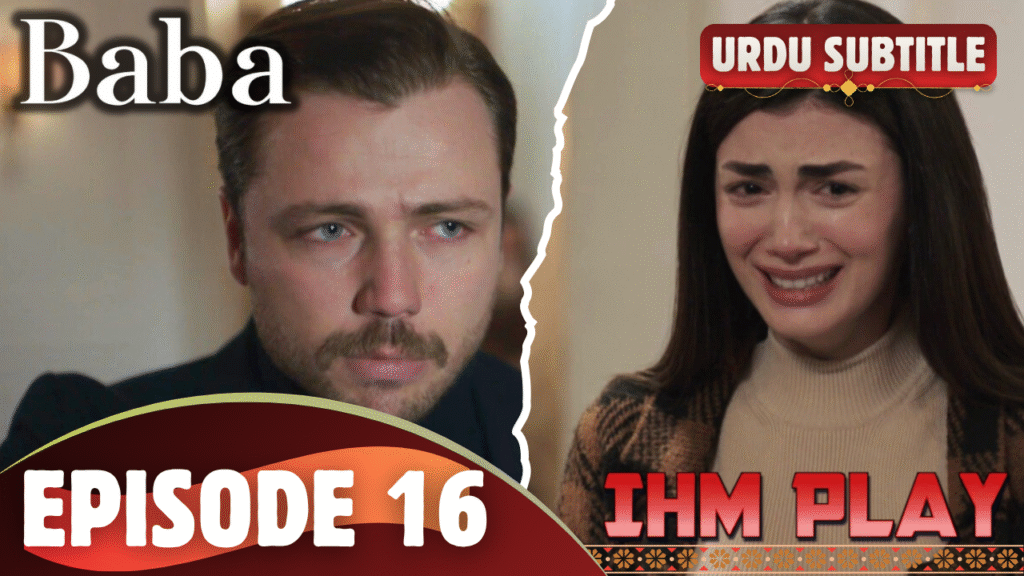
At the emotional heart of Baba lies the volatile bond between Emin and his youngest son, Kadir.
Kadir, freshly released from prison, embodies a new generation of Turks — principled yet rebellious, emotionally intelligent yet impulsive, unwilling to accept authority merely because tradition demands it.
Their tension is not simply the classic authoritarian father vs. free-spirited son.
It is a clash of ideologies, worldviews, and personal histories.
Where Emin sees obedience as a form of love, Kadir sees suffocation.
Where Kadir sees justice, Emin sees chaos.
Tolga Sarıtaş delivers one of his strongest performances here: a young man torn between wanting his father’s approval and desperately needing to break free from the very legacy that defines him.
The Seduction — and Corruption — of Power
Istanbul is not kind to the Saruhanlis.
Its wealth, glamour, and ruthless power games infect the family from the inside.
The newly inherited empire immerses them in:
Characters who once lived simple, predictable lives begin to shift.
Desires sharpen.
Ambition awakens.
Even moral lines blur — sometimes erased entirely.
The writers excel at showing how power does not change people as much as it reveals them.
The Tragedy Beneath the Surface: A Father Losing His Mind — and His Kingdom
Emin’s secret battle with early-stage Alzheimer’s adds a layer of heartbreaking vulnerability to the narrative.
On the outside, he is still the lion of the family — stern, dominant, unyielding.
But internally, his world is slowly dimming.
His confusion. His paranoia. His desperation to maintain control.
All are symptoms his family misreads as stubbornness or ego.
This storyline transforms Baba from a simple family drama into a tragedy about identity.
What is a patriarch without his memory?
What is authority without the clarity to wield it?
How do you lead a family when you can no longer trust your own mind?
Bilginer delivers one of the most haunting portrayals of degenerative illness seen in Turkish television, turning Emin into a man who is both feared and pitiful, powerful and painfully fragile.
Why Baba Leaves a Lasting Mark
What sets Baba apart from the crowded world of Turkish dramas is its refusal to offer easy answers.
Instead, it confronts viewers with uncomfortable truths:
What defines a family — blood, duty, or choice?
The Saruhanlis constantly test their loyalty to one another, forcing viewers to question where the true boundaries of “family” lie.
Does wealth liberate or imprison?
The show dismantles the fantasy that money solves problems. If anything, it multiplies them.
Can legacy ever be a gift when it comes wrapped in expectations?
The emotional weight passed from Emin to Kadir is both inheritance and burden.
Across its 30-episode run, Baba maintains a tight narrative rhythm, avoiding unnecessary filler while diving deep into complex moral dilemmas and beautifully layered character arcs.
A Must-Watch for Fans of Intense, Layered Storytelling
If you crave dramas that blend emotional depth with high-stakes tension, Baba is essential viewing.
It is not just a story about wealth or power — it is a meditation on:
Even as the Saruhanlis rise in Istanbul’s glittering world, the true battle takes place within their own home — and within their own hearts.
For viewers, the journey is unforgettable.





Next episode plz